Chapter 1 — Commodities.Marx opens by distinguishing use-value and exchange-value. The chapter introduces the value-form and argues that commodity exchange hides the social labour that makes commodities comparable. This is the conceptual foundation of the entire book.
Chapter 2 — Exchange.The movement from isolated commodities to exchange requires owners who recognise one another as private proprietors. Legal equality appears on the surface, but Marx prepares the reader to see how equality in exchange can coexist with domination in production.
Chapter 3 — Money, or the Circulation of Commodities.Money emerges as the universal equivalent. It measures value, circulates commodities, stores social power, and allows exchange to become increasingly abstract and impersonal.
Chapter 4 — The General Formula for Capital.Marx distinguishes simple circulation, C–M–C, from capital circulation, M–C–M′. The purpose of capitalist exchange is not need satisfaction but the return of money with an increment.
Chapter 5 — Contradictions in the General Formula.Profit cannot be fully explained by cheating in exchange, because equal exchange would not create surplus value. The contradiction forces the analysis toward a special commodity capable of creating more value than it costs.
Chapter 6 — The Sale and Purchase of Labour-Power.Labour-power is identified as the decisive commodity. The worker sells capacity to labour, not the finished product. This distinction allows surplus value to arise legally within the wage contract.
Chapter 7 — The Labour Process and the Valorisation Process.Production has two sides: the material labour process and the value-expansion process. Capital takes control of labour not simply to make things, but to produce commodities containing surplus value.
Chapter 8 — Constant Capital and Variable Capital.Machinery and materials transfer value, but living labour creates new value. The concept of variable capital becomes essential because wages purchase the only input capable of expanding value.
Chapter 9 — The Rate of Surplus Value.Marx formulates exploitation as a relation between necessary labour and surplus labour. The rate of surplus value measures how much unpaid labour capital extracts from the working day.
Chapter 10 — The Working Day.This chapter turns the theory into social conflict. Capital seeks to lengthen labour time; workers resist the destruction of their bodies and lives. Factory legislation appears as a political limit imposed on capital’s appetite for surplus labour.
Chapter 11 — Rate and Mass of Surplus Value.The chapter clarifies how surplus value depends not only on the intensity of exploitation but also on the number of workers employed. Expansion therefore remains tied to both labour discipline and labour scale.
Chapter 12 — Relative Surplus Value.Capital can increase surplus value without lengthening the day by reducing necessary labour time. This requires productivity growth and cheaper wage goods.
Chapter 13 — Co-operation.Capital collectivises labour under one command. The productivity of combined labour appears as the productivity of capital, although it arises from social labour.
Chapter 14 — Division of Labour and Manufacture.Manufacture breaks work into specialised tasks. Skill is redistributed, dependency increases, and the worker becomes a partial worker inside a larger productive mechanism.
Chapter 15 — Machinery and Large-Scale Industry.Machinery transforms production more radically. It displaces skill, intensifies labour, reorganises time, and turns science and technology into forces of capital accumulation.
Chapter 16 — Absolute and Relative Surplus Value.Marx synthesises the two major strategies of exploitation: extending labour time and increasing productivity so that surplus labour occupies a larger share of the day.
Chapter 17 — Changes of Magnitude in the Price of Labour-Power and Surplus Value.The chapter examines how wages, productivity, and the length or intensity of labour alter the distribution between labour and capital.
Chapter 18 — Various Formulae for the Rate of Surplus Value.Marx shows that different formulae can obscure or reveal exploitation. His preferred expression keeps the relation between unpaid and paid labour visible.
Chapter 19 — The Transformation of the Value of Labour-Power into Wages.Wages make it appear as though the worker is paid for all labour. Marx argues that the wage-form conceals unpaid surplus labour.
Chapter 20 — Time-Wages.Time-based wages appear neutral but allow discipline over duration, pace, and attendance. The wage-form becomes a mechanism of control.
Chapter 21 — Piece-Wages.Piece-wages transfer the appearance of responsibility onto the worker. They stimulate intensity and competition while keeping exploitation hidden within measurable output.
Chapter 22 — National Differences of Wages.Wages vary across countries because labour productivity, social needs, class struggle, and national conditions differ. Labour-power has a historically specific value.
Chapter 23 — Simple Reproduction.Capitalism reproduces not only goods, but the class relation itself. Workers return to the market needing wages; capital returns with command over production.
Chapter 24 — Conversion of Surplus Value into Capital.Accumulation occurs when surplus value is reinvested. Capital grows by turning past unpaid labour into command over future labour.
Chapter 25 — The General Law of Capitalist Accumulation.Accumulation produces a relative surplus population. The reserve army of labour disciplines wages and secures capital’s power over employment.
Chapters 26–33 — So-Called Primitive Accumulation.The closing part rejects the myth that capitalism arose from thrift alone. Marx describes enclosure, colonial violence, dispossession, slavery, public debt, taxation, and state power as conditions that produced capitalist property and wage labour.
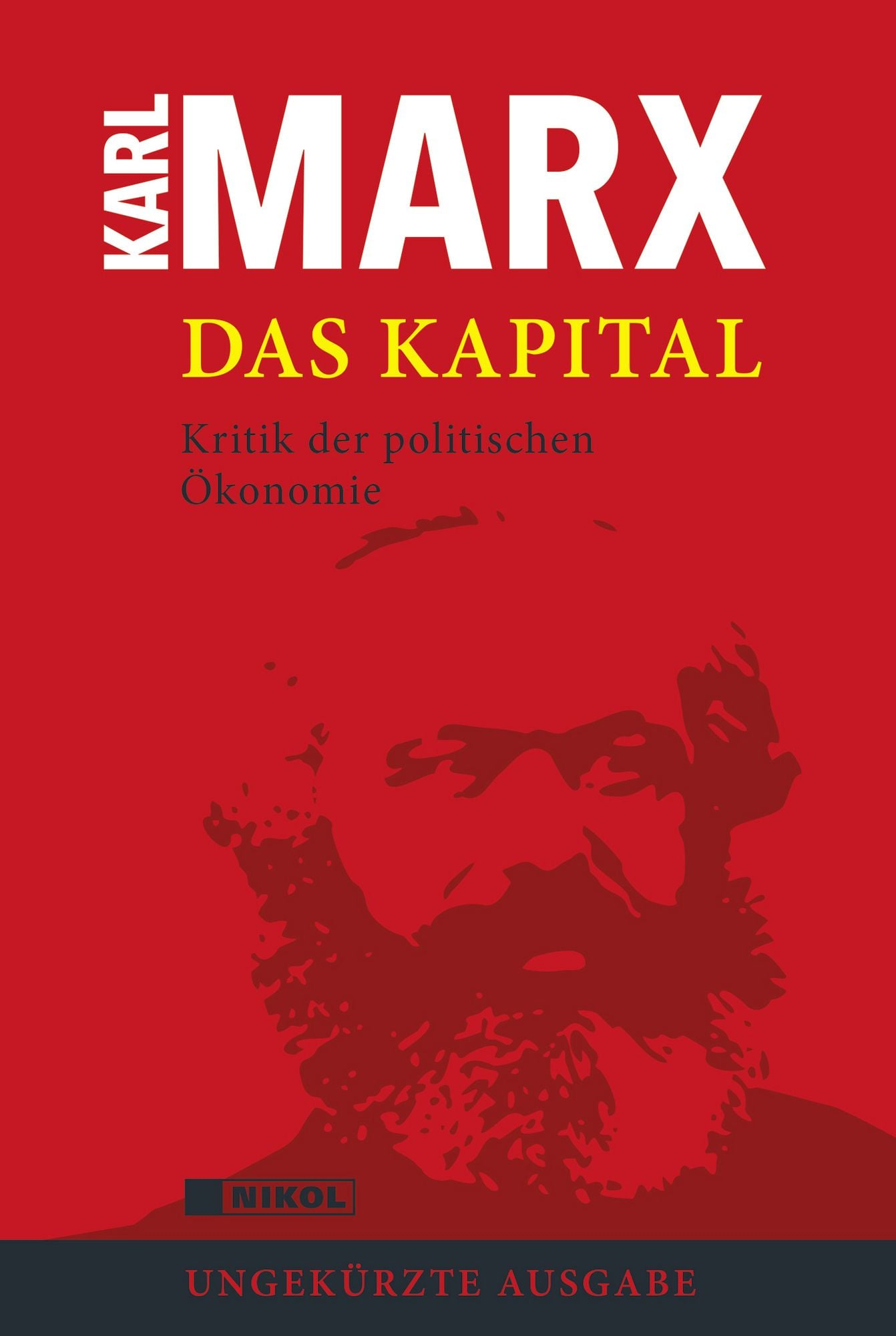 Das Kapital
Karl Marx
Das Kapital
Karl Marx
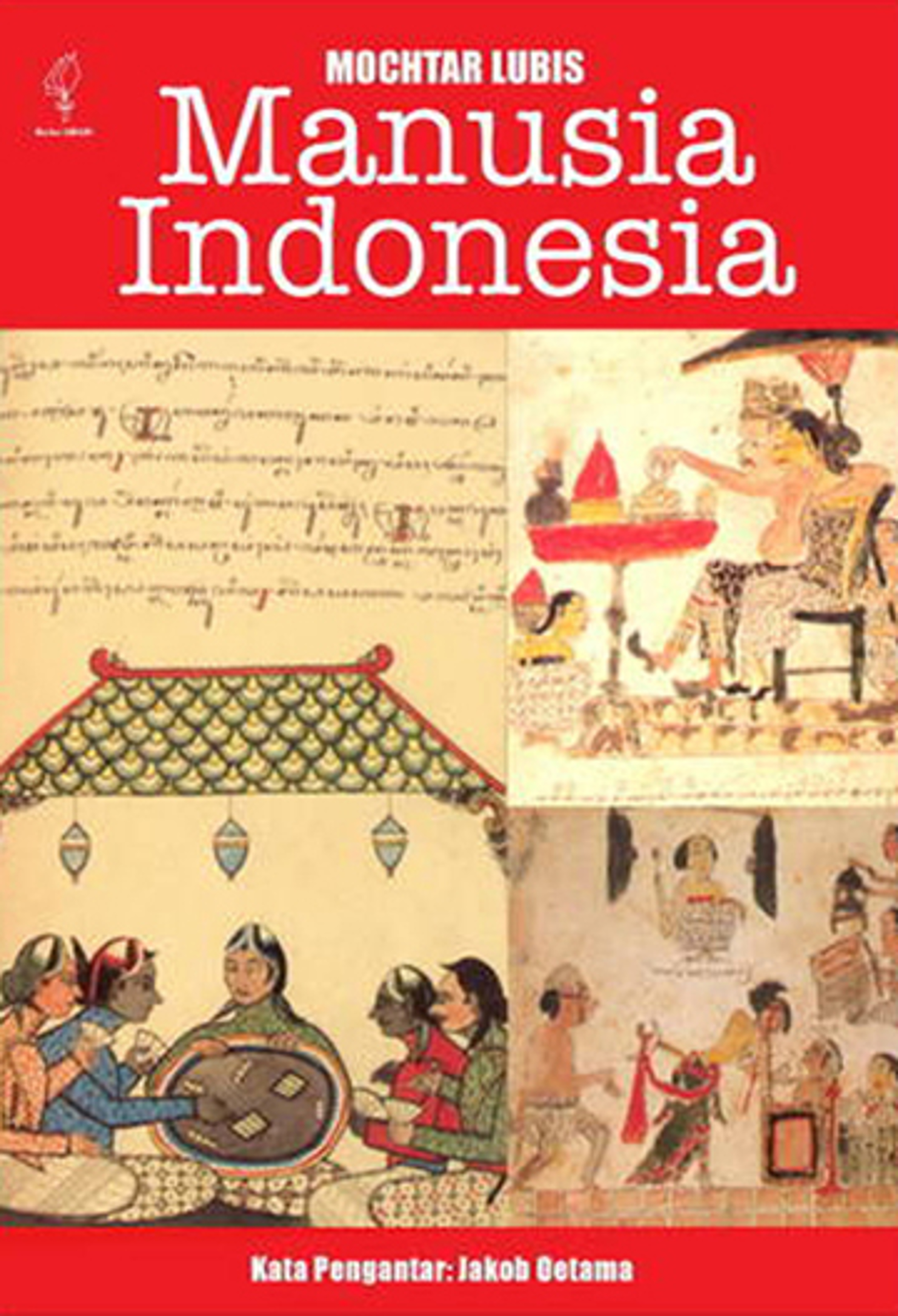 Manusia Indonesia
Mochtar Lubis
Manusia Indonesia
Mochtar Lubis
 A Peace to End All Peace
David Fromkin
A Peace to End All Peace
David Fromkin
 The Arabs: A History
Eugene Rogan
The Arabs: A History
Eugene Rogan
 The Question of Palestine
Edward W. Said
The Question of Palestine
Edward W. Said
 The Ottoman Endgame
Sean McMeekin
The Ottoman Endgame
Sean McMeekin